CLUSTER 01 · NORTHERN HIGHLANDS
Protected horticulture
Tomato · cucumber · pepper
Selected for cool nights, strong solar yield and direct access to the largest city.
- CAPITAL
- €42M
- REVENUE / YR
- €18M
- FOOD / YR
- 16k t
- DIRECT JOBS
- 520
One operator-led programme to map the opportunity, prove what works, train the workforce and build the commercial farms that make affordable fresh food a domestic industry.
Most agricultural development programmes stop at distributing inputs or supporting individual growers. Those interventions have a place—but they rarely create the reliable volumes, skilled careers and investable assets a national fresh-food system needs.
We build the commercial backbone: region and crop strategy, proven production, workforce development, market access and long-term operation in one connected programme.
Reliable domestic volumes, closer to cities and less exposed to imports.
Year-round careers, clear learning pathways and operational standards.
Commercial farms structured for local capital and eventual local management.
We translate national goals into a spatial, crop-level plan. Climate, water, energy, soil, logistics and market demand are modelled together, then matched to the right production method: open field, low, mid or high tech.
PAID HOST-COUNTRY ENGAGEMENT · 3–6 MONTHS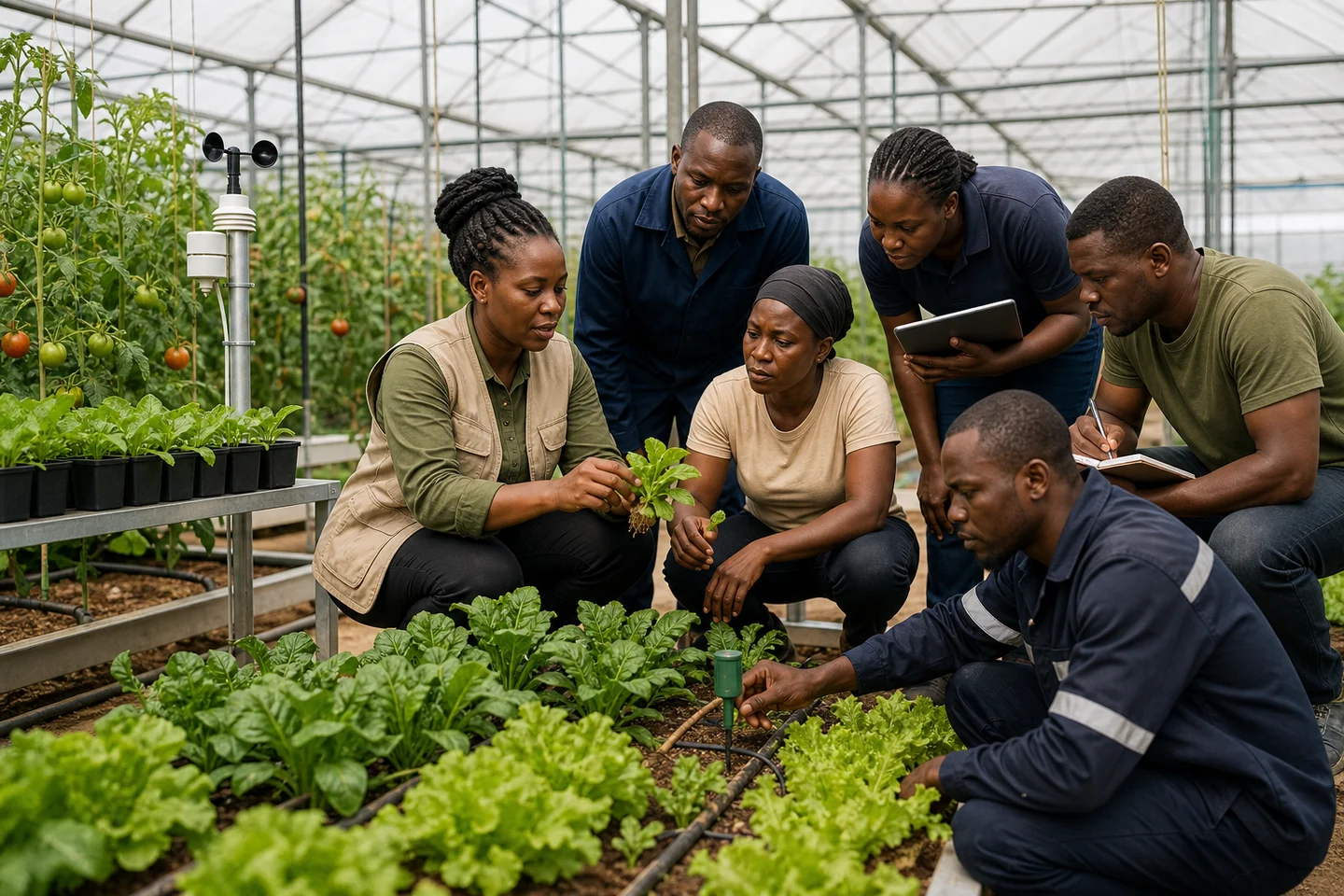
The proof of concept puts every target crop and technology into operation under local conditions. Alongside it, a practical academy trains people in crop work, technical maintenance, packhouse operations, food safety and team leadership.
Trainees start with how a plant actually works: light, water, nutrients, temperature, humidity, and the pests and diseases that turn up in a protected crop. The teaching follows Het Nieuwe Telen — the Dutch “Next Generation Growing” method — which treats a greenhouse as one system of plant, climate and energy instead of a list of separate jobs.
On top of that we teach the methods Drylands Farms has developed for hot, dry places: how we set the climate, how we schedule irrigation, and how we hold quality when it is very hot outside. People leave this stage able to explain why they are doing something, not only what to do.
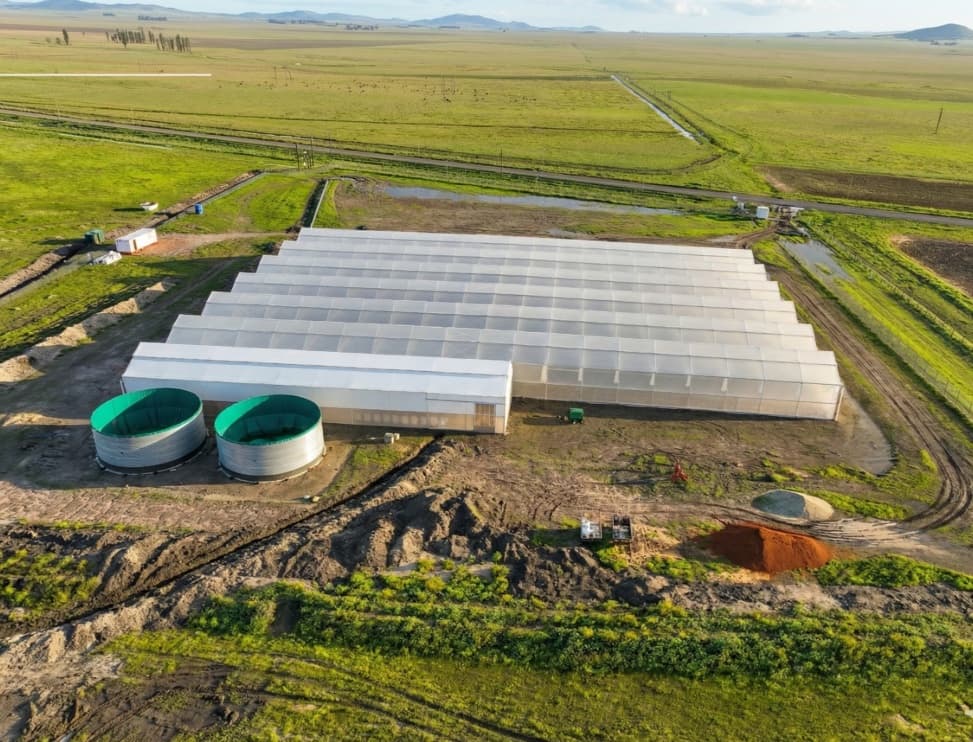
We have already taken a climate-smart facility from ground-break to national retail shelves within a season. The country POC turns that operating experience into a local institution—not another temporary demonstration plot.
POC results determine the crop, technology and location mix for commercial farms. Bosman Van Zaal implements the technical systems; Drylands Farms and Holland Greentech manage and operate the production platform.
FARM-BY-FARM CAPITAL · LOCAL PARTICIPATION BUILT IN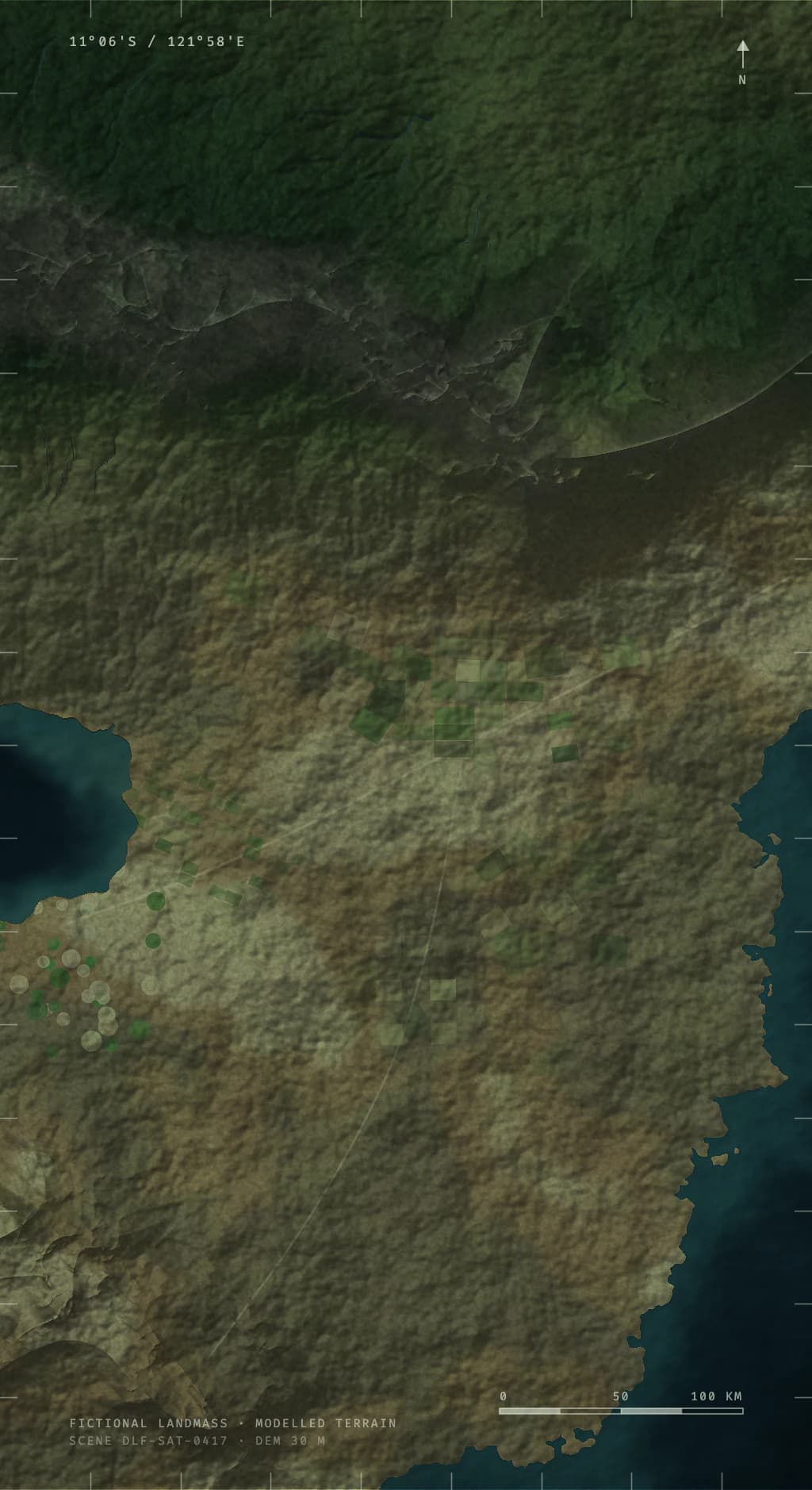
Tomato · cucumber · pepper
Selected for cool nights, strong solar yield and direct access to the largest city.
Onion · chilli · brassica
Selected for reliable surface water, deep soils and a strong regional labour base.
Berries · leaves · seedlings
Selected for logistics access, cooler elevation and high-value export connectivity.
OPEN FIELD · ONION · MELON
The POC exposed unreliable water supply and a logistics penalty that erased the crop-margin advantage. The site remains outside the commercial portfolio.
Evidence prevented capital being committed to the wrong location.
FIG. 03 — VALUES ARE AN ILLUSTRATIVE PROGRAMME MODEL, NOT A FORECAST. FINAL CLUSTERS, CAPITAL AND OUTPUTS ARE DETERMINED BY THE STRATEGY AND POC.
We co-invest selectively, help raise capital for the wider portfolio and create room for domestic institutions—and, where feasible, employees—to own productive assets. Facilities we do not own are designed for an orderly transfer of management over time.
The delivery team joins African operating experience, local horticulture networks and Dutch greenhouse engineering. The host country remains a committed partner at every phase.

Programme lead, developer, co-investor and long-term farm operator.
In-country horticulture platform, inputs, agronomy and practical training.

Greenhouse engineering, technical systems, construction and commissioning.
The programme is designed to pursue Dutch and European instruments that can support advisory fees, project development and part of the POC capital—so public support unlocks operating evidence and private investment rather than replacing them.

POTENTIAL INSTRUMENTS · SUBJECT TO ELIGIBILITY, DUE DILIGENCE AND APPROVAL
A first briefing aligns food-security priorities, target regions, institutional roles and the route to a paid strategic review.
REQUEST A BRIEFING →