7 Key Benefits Of Hydroponic Farming
Discover the benefits of hydroponic farming for modern growers. Learn how hydroponics improves yield, saves water, and supports sustainable agriculture.
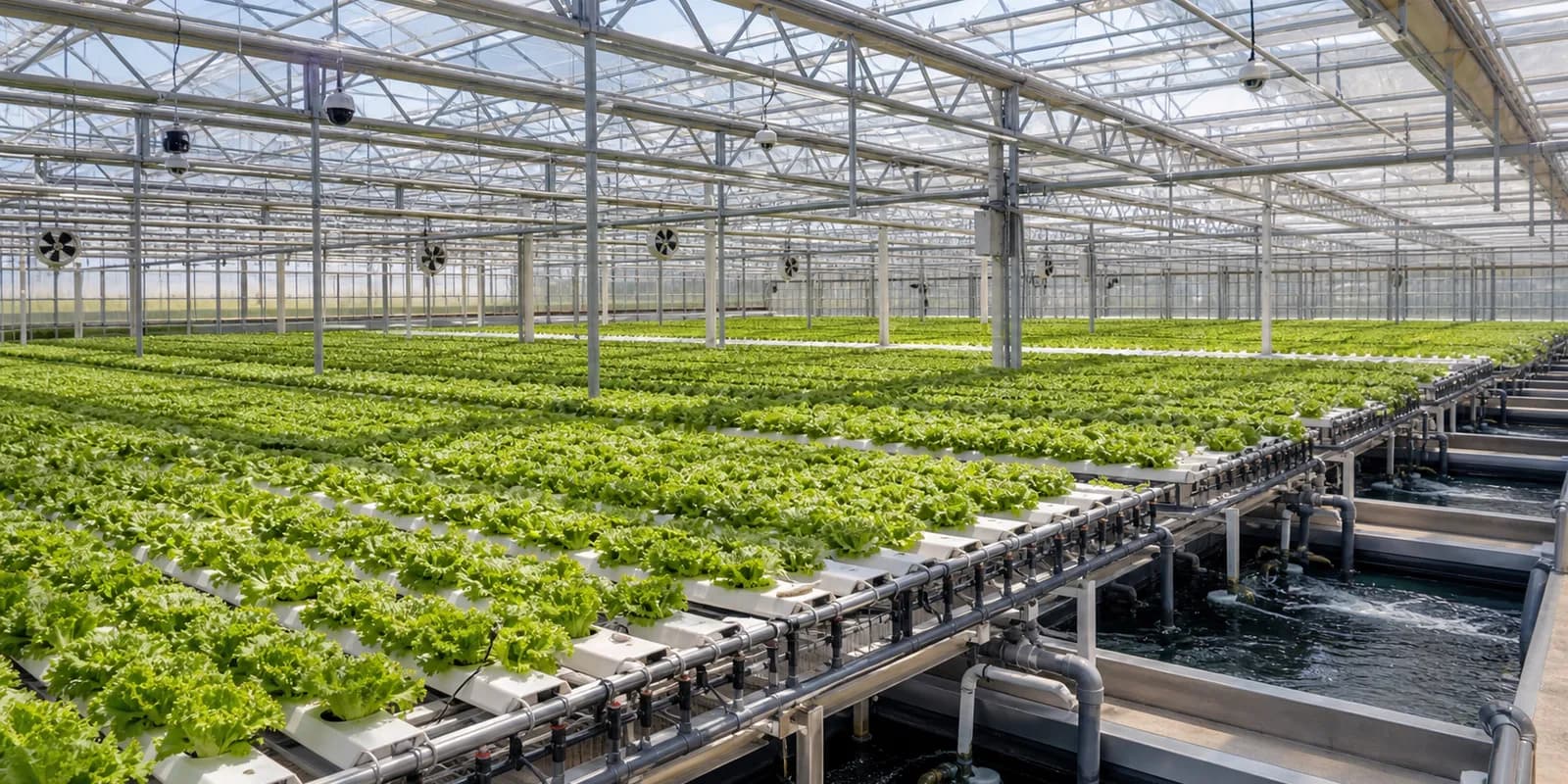
Benefits Of Hydroponic Farming: Why More Farmers Are Switching To Hydroponics
Several years ago, a farmer in a drought-prone region stood in his fields watching his crops struggle. The soil had become depleted, rainfall was inconsistent, and fertiliser costs continued to rise. Like many farmers around the world, he began searching for alternatives that could help him produce more food with fewer resources. That search led him to hydroponics — a modern farming method that allows crops to grow without soil using nutrient-rich water. Today, hydroponics is transforming agriculture by offering farmers a way to grow crops efficiently, conserve water, and increase yields even in challenging environments. For farmers exploring new agricultural technologies, understanding the benefits of hydroponic farming is essential. As climate pressures increase and food demand rises, hydroponics is becoming one of the most promising solutions for sustainable food production.
What Is Hydroponics?
Hydroponics is a method of growing plants without soil, where crops receive nutrients through a carefully balanced water solution. Instead of relying on soil to deliver minerals, hydroponic systems supply nutrients directly to plant roots using water-based irrigation. Plants are typically supported by inert growing media such as coco coir, perlite, or rockwool while the nutrient solution circulates through the system. Because hydroponics delivers nutrients directly to plants, crops can grow faster and more efficiently compared to traditional farming methods. Hydroponics is widely used in controlled-environment agriculture, including greenhouses and vertical farms, where farmers can carefully regulate temperature, humidity, light, and nutrient levels. Also learn: How Much Water Does Hydroponics Use?
7 Key Benefits Of Hydroponic Farming
Higher Crop Yields
One of the most important benefits of hydroponics is the ability to produce significantly higher yields. Because hydroponic systems provide plants with optimal growing conditions, crops can grow faster and more consistently. Studies have shown that hydroponics can produce up to 10 to 30 times more yield per square metre than traditional soil farming when combined with greenhouse production. Hydroponics also allows farmers to grow crops closer together because plants do not compete for soil nutrients. This increased planting density further improves productivity and maximises the use of available space. For commercial farms focused on consistent output, hydroponics offers a reliable way to boost production and improve profitability.
Dramatically Reduced Water Usage
Water scarcity is becoming one of the biggest challenges facing agriculture. According to the Food and Agriculture Organization, agriculture accounts for roughly 70% of global freshwater withdrawals. Hydroponics systems address this challenge by recirculating water rather than allowing it to drain into the soil. As a result, hydroponics can use 80–90% less water compared to traditional farming methods. Because water is reused within the system, farmers can grow crops even in regions where water resources are limited. This makes hydroponics particularly valuable for drought-prone areas and regions with poor soil conditions.
Faster Plant Growth
Hydroponics accelerates plant growth because crops receive nutrients directly through water rather than needing to search for them in soil. Hydroponic systems can reduce crop growth cycles by up to 25% compared to conventional agriculture. Faster growth means farmers can harvest crops more frequently throughout the year, increasing overall production and revenue potential. In greenhouse environments, hydroponics enables year-round cultivation, allowing farmers to produce crops regardless of seasonal weather conditions.
Reduced Pest And Disease Pressure
Traditional soil farming often exposes crops to pests, weeds, and soil-borne diseases. Managing these threats can require significant pesticide use and labour. Hydroponics significantly reduces these risks because crops are grown in controlled environments without soil. Many soil-borne pathogens cannot survive in hydroponic systems, leading to healthier plants and lower crop losses. Additionally, hydroponic systems eliminate weeds, reducing the need for herbicides and manual weed control. This improved crop health allows farmers to focus on maximising plant growth rather than constantly fighting pests and diseases.
Efficient Use Of Land
Hydroponics allows farmers to produce crops in areas where traditional agriculture may not be possible. Because hydroponics does not rely on soil quality, farms can be established on marginal land, urban locations, or regions with poor agricultural conditions. Hydroponics systems can also be stacked vertically or installed inside greenhouses, dramatically increasing production per hectare. This efficient land use is especially important as the global population grows and agricultural land becomes increasingly scarce.
Greater Control Over Crop Production
One of the major advantages of hydroponics is the level of control it provides over the growing environment. Farmers can monitor and adjust nutrient levels, water supply, pH balance, and environmental conditions to optimise crop performance. Sensors, automated irrigation systems, and climate control technologies allow farmers to maintain ideal conditions for plant growth. This level of control leads to more consistent crop quality and predictable harvest schedules, which is particularly valuable for commercial food supply chains.
Supporting Climate-Smart Agriculture
Hydroponics is increasingly recognised as a key component of climate-smart agriculture. By reducing water use, improving yield efficiency, and enabling controlled food production, hydroponics helps farmers adapt to changing environmental conditions. Organisations such as Drylands support farmers in developing modern climate‑smart farms that incorporate hydroponics and advanced greenhouse technologies. Through feasibility studies, farm design, and project development support, Drylands helps farmers build resilient farming systems capable of producing food sustainably. By combining hydroponics with climate-controlled greenhouse infrastructure, farmers can create highly efficient food production systems that meet growing market demand. Do you know: What Can You Grow With Hydroponics?
Conclusion: 7 Key Benefits Of Hydroponic Farming
Hydroponics is rapidly reshaping the future of agriculture. By allowing crops to grow without soil, hydroponics provides farmers with a powerful tool for increasing yields, conserving water, and improving production efficiency. From higher crop productivity and faster plant growth to reduced pest pressure and improved land use, hydroponics offers numerous advantages compared to traditional farming methods. As global food demand continues to rise and climate challenges intensify, hydroponics will play an increasingly important role in helping farmers produce more food with fewer resources. Farmers who adopt hydroponics today are positioning themselves at the forefront of modern, sustainable agriculture. Are you looking to implement hydroponics on your farm but unsure how to design a successful system? Drylands works with farmers, investors, and governments to develop climate-smart agricultural projects using advanced hydroponics solutions and greenhouse technologies. Our team provides expert support, including feasibility studies, greenhouse design, and operational planning, to help farmers build efficient and scalable farms. If you would like to learn more about how hydroponics can transform your farm, contact us today to speak with our team and start planning your next agricultural project.